


US midterms: What happens to the dollar during a split Congress?
Midterms move stocks. The dollar mostly ignores them...
* Information provided does not constitute investment advice or a personal recommendation. Trading is risky.
Every two years, Americans vote for all 435 House seats and about a third of the 100 Senate seats.
The result decides who controls Congress for the second half of a president's term. They also dictate how much of the White House agenda becomes law.
Midterms bring short-term volatility. Once the result is clear, US equities have tended to rally. The S&P 500 has risen in the 12 months after every midterm since 1950.
Past performance is not a reliable indicator of future results.
Key takeaways
- The dollar rarely reacts to who wins. Fed policy, Treasury yields and growth have historically moved it more than the House result.
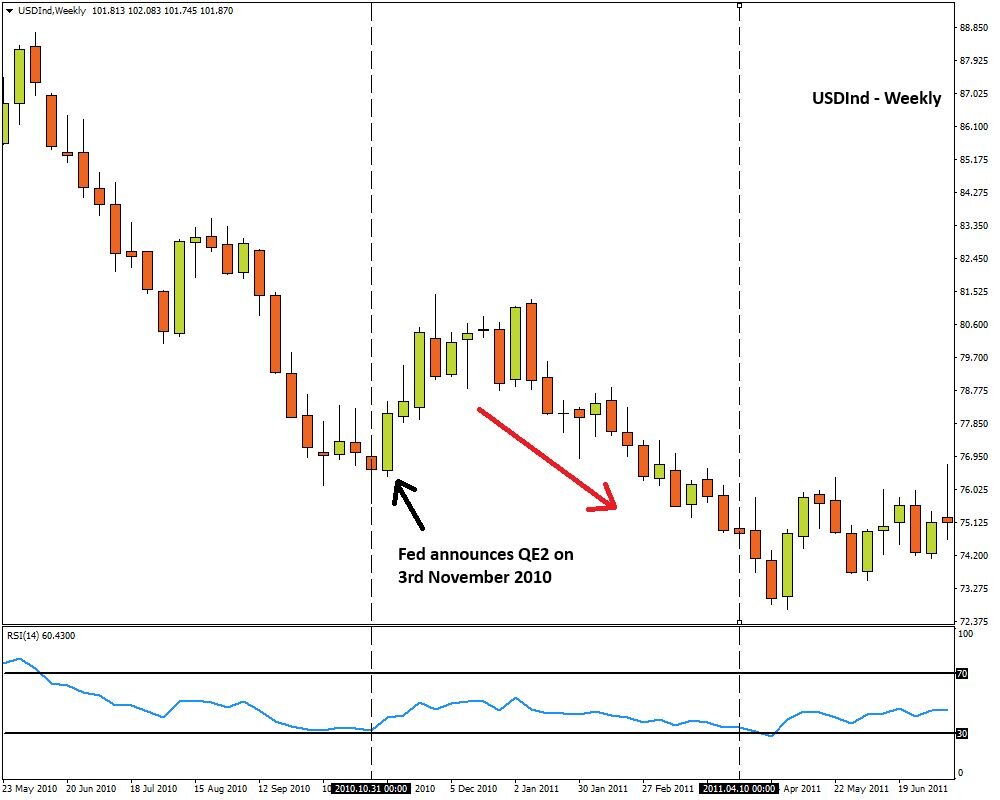
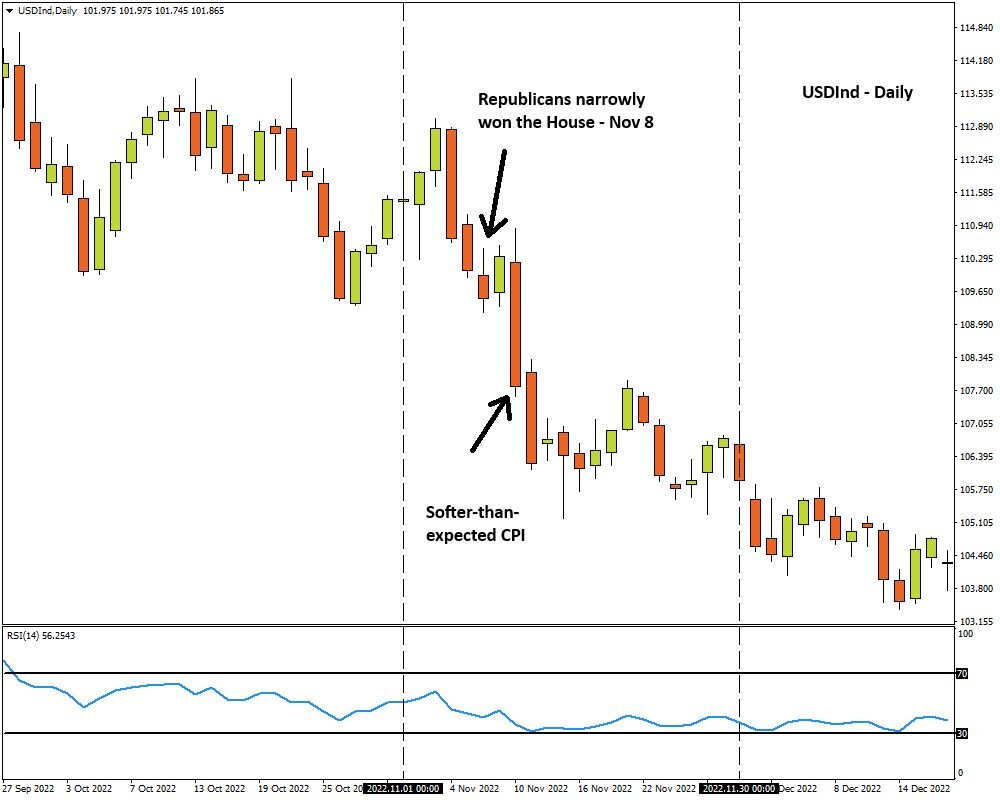
- In 2010 the Fed announced QE2 the day after the vote. In 2022 a softer CPI print two days later knocked the Dollar Index down roughly 2% in one session.
- The S&P 500 has risen in the 12 months after every midterm since 1950. Past performance is not a reliable indicator of future results.
- Debt-ceiling standoffs and shutdown threats can push Treasury yields higher, and the dollar follows them. That was the case in 2023.
Split Congress vs divided government: What's the difference?
First, a couple of definitions.
When we talk about a 'split vote' during elections, there are actually a couple of different scenarios.
- Split Congress = the House and Senate are controlled by different parties.
- Divided government = Congress and the White House are controlled by different parties.
A Republican president with a Democratic House and a Democrat Senate is divided government, not a split Congress. Since the 1970s, Congress has been split roughly one-third of the time.
The distinction matters this year. Republicans hold the White House and both chambers, so any change in November produces divided government and split Congress.
Why markets care
Gridlock means fewer large spending packages and less chance of sweeping tax or regulatory change. Investors often read that as lower policy risk. Washington may be divided. Markets like predictability.
Why the dollar mostly doesn't
A split Congress does not automatically mean a stronger or weaker dollar. The historical link is weak. What matters more:
- Fed policy
- Treasury yields
- Economic growth
- Risk appetite
- Geopolitics
Here's the bit that matters: the dollar doesn't ignore elections. It ignores elections that don't change the outlook for the Fed and yields. Most midterms don't.
Look at the days after the vote.
In 2010, Republicans took the House on 2 November. The next day, the Fed announced QE2. That drove the dollar for weeks. The House result barely registered.
In 2022, Republicans narrowly won the House on 8 November. Two days later, a softer-than-expected inflation print knocked the Dollar Index down roughly 2% in a single session, one of its biggest daily falls in over a decade.
Case study: 2023–2025
The 118th Congress was split, with a Republican House and a Democratic Senate.
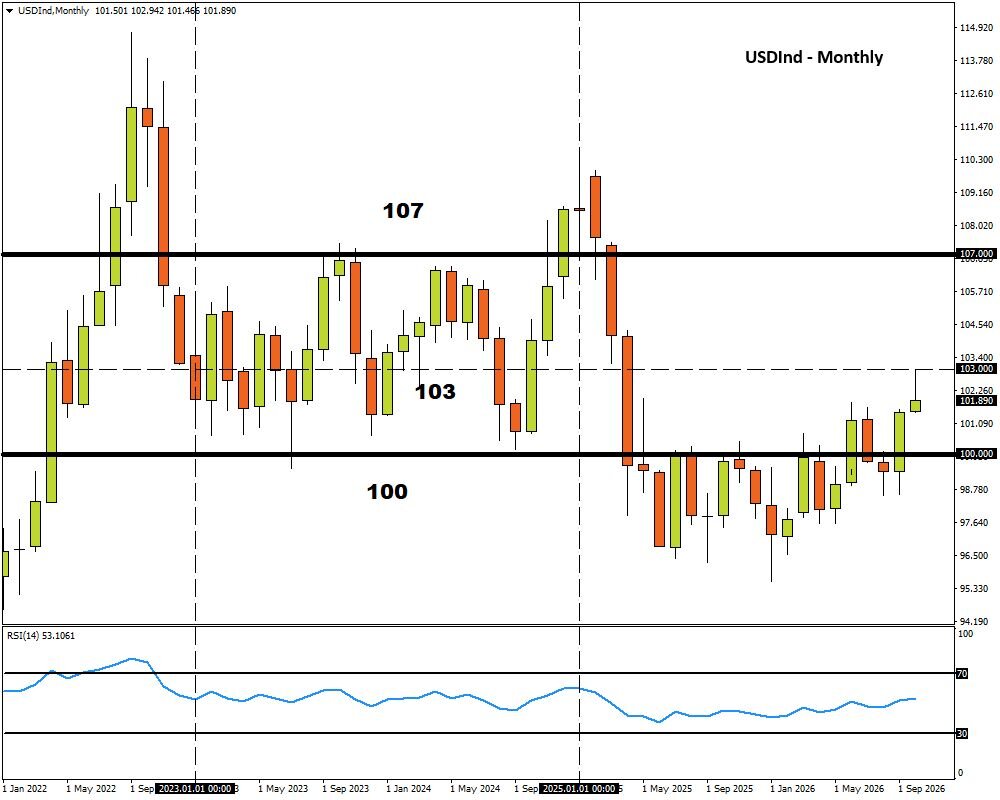
The Dollar Index (DXY) started 2023 near 103, fell to around 100 by July, rallied to about 107 by October, and ended the year near 101.
In 2024 it climbed to roughly 108 as the Fed stayed on hold and rate-cut expectations were pushed back.
Why:
- Higher-for-longer Fed. Sticky inflation kept rates elevated. Higher US yields made dollar assets more attractive. For FX traders, this was arguably the biggest driver.
- US exceptionalism. US growth outperformed Europe and much of the developed world, supporting yields and pulling in foreign capital.
- Safe-haven demand. Middle East tensions and periodic risk aversion sent investors toward Treasuries and the dollar.
- Gridlock wasn't calm. A split Congress limited major new spending and tax changes. It also produced debt-ceiling brinkmanship, shutdown scares and a US credit downgrade in 2023. Treasury yields rose. The dollar didn't care much about who held the House. It cared about what the Fed did next.
The counterpoint: in the first half of 2025, with Republicans controlling both chambers, the dollar fell by roughly 10%. Unified control didn't produce a strong dollar either.
What it could mean this time
There are four possible outcomes on election night, but from a market perspective they boil down to three themes:
- Divided government
- Policy continuity
- Larger policy shift
Democrats win the House, Republicans keep the Senate or Republicans keep the House while Democrats win the Senate = divided government. Fewer new spending or tax measures, more oversight, more shutdown and debt-ceiling risk. Trade policy has run largely through executive action, so Congress has limited power to change it. Dollar impact: indirect, via fiscal headlines and yields.
Republicans hold both chambers = policy continuity. Markets mostly price what they already know.
Democrats win both = the least likely path, and the biggest policy shift. Expect a larger reaction in yields and equities than in the dollar itself.
What traders should actually watch
The election result is only part of the story.
Once the votes are counted, the more important question is whether the outcome changes expectations for interest rates, inflation, growth or government borrowing.
Keep an eye on:
- Treasury yields: If markets expect larger deficits, increased borrowing or stickier inflation, yields could become a more powerful driver of the dollar than the election result itself.
- Fed expectations: Any meaningful shift in rate-cut or rate-hike pricing is likely to matter far more for EUR/USD, GBP/USD and USD/JPY than which party controls Congress.
- US equities: History shows stocks have often performed well after midterms, but traders should focus on earnings, economic growth and interest rates. A divided Washington may reduce policy uncertainty, but corporate profits and the Fed remain the bigger drivers of the S&P 500 and Nasdaq.
- Crypto: Bitcoin and the wider crypto market tend to be more sensitive to liquidity conditions, risk appetite and regulation than election headlines alone. A market that expects lower rates and abundant liquidity is generally a more important catalyst than the makeup of Congress.
- Economic data: Inflation, payrolls and consumer spending figures will probably have a greater influence on markets than the election outcome itself. A surprise CPI or jobs report can easily overshadow the political result.
- Fiscal risks: Debt-ceiling standoffs, shutdown threats and budget negotiations have historically had a more direct impact on yields and market sentiment than the composition of Congress itself.
The bottom line
The election will get the headlines. The dollar has historically taken its cues from somewhere else.
In 2010, the Fed announced QE2 the day after the vote. In 2022, a CPI print two days later moved the dollar more than the House result did.
The one real exception is the debt ceiling, when Washington's fight is over whether bills get paid. In 2023, a debt-ceiling standoff and a credit downgrade pushed Treasury yields higher, and the dollar noticed. If the next Congress goes shopping for a shutdown, pay attention.
Otherwise, watch the data not the delegation count.